Apple Podcasts announced it’s adding video in 2026, and the reaction across the industry has been immediate. Some creators are excited. Others are exhausted just thinking about it. The bigger question is not whether video is “the future.” The question is what this change means for your show, your workflow, and your growth strategy.
Apple’s move does not make audio obsolete, but it does signal a wider shift: podcasting is continuing to evolve into a multimedia format. If you stay audio only, you can still grow. If you add video, you can still keep it simple. Either path can work as long as it fits your capacity and goals.
Why Apple Is Adding Video to Apple Podcasts
The easiest assumption is that Apple is trying to become YouTube. That is not how I see it. Video podcasts are not new, and Apple is not the first platform to support them. Spotify implemented video years ago, and creators have been publishing full video versions on YouTube for a long time.
What Apple is really doing is reducing friction. Platforms want users to stay inside the app as long as possible. If a listener can watch the video version of a show without leaving Apple Podcasts, Apple keeps that attention. That matters for Apple, and it also matters for creators who want more ways for an audience to consume the same content.
What This Could Change for Your Podcast Workflow
The first concern most podcasters have is workload. If video becomes a standard expectation, will creators need to produce and upload a separate video file every week? The rollout appears to be gradual and closely tied to your podcast host. Some hosting platforms may support the Apple video setup sooner, some later, and some not without a change in hosting.
In other words, this will not land the same way for everyone at the same time. Before you change anything, check your hosting provider’s updates and documentation. If your platform enables video distribution to Apple Podcasts, you may be able to add video without rebuilding your entire process. If it is not supported yet, waiting is a reasonable strategy while the ecosystem stabilizes.
Three Reasons to Add Video Podcasting in 2026
Video is not required, but there are real benefits when it is done intentionally.
First, video can improve retention. When listeners can see your face, expressions, and energy, they often stay engaged longer. Visual connection builds familiarity, and familiarity builds loyalty.
Second, video can help you stand out. When platforms invest in a format, they tend to reward creators who use it. If Apple is prioritizing video, video shows are more likely to get distribution advantages inside Apple Podcasts.
Third, video expands your content library. A single recording can produce multiple marketing assets. Short clips for Instagram, TikTok, YouTube Shorts, and Pinterest are easier to create when you have video to work from. This is where video becomes less about a full episode upload and more about a content remix strategy that supports growth.
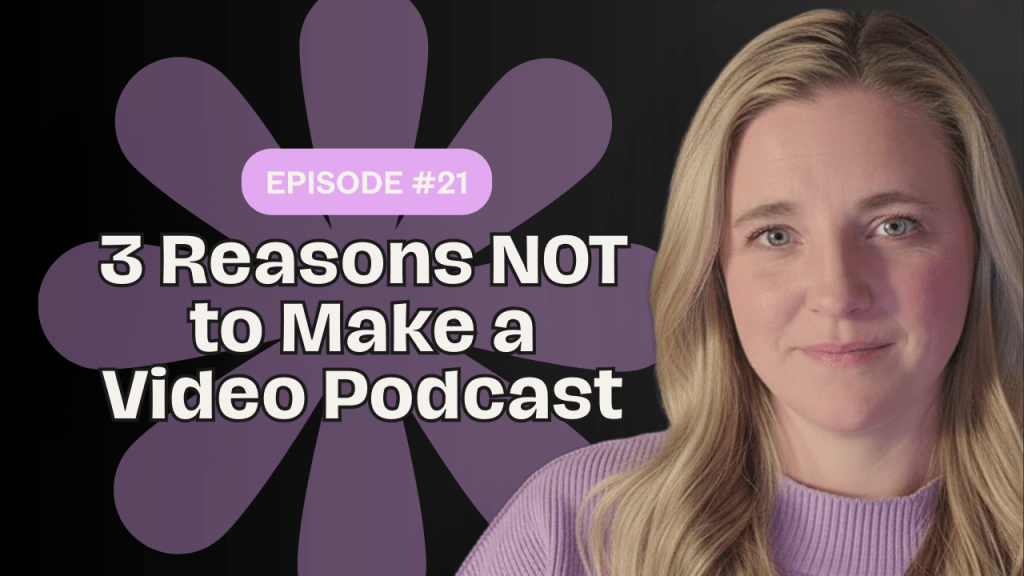
Three Reasons Not to Add Video Podcasting in 2026
Video can also be the fastest path to burnout if it does not match your capacity.
First, video increases production workload. Editing is more complex, file sizes are larger, and pacing matters more when people are watching. If you are already stretched thin, adding video can make consistency harder, not easier.
Second, video gets expensive quickly. Cameras, lighting, software, and paid editing support add up. None of that guarantees better results. The quality that matters most is the content itself: clarity, value, and a strong point of view.
Third, your audience may not want video from you. Many shows still perform better in audio than on YouTube. If your listeners are choosing audio, and video is not pulling its weight, it may be smarter to keep your focus on strong audio production and use lightweight options when you need a video file for distribution.
What Smart Podcasters Should Do Next
Apple adding video in 2026 is another signal that podcasting is expanding. It does not mean you have to change your show overnight. It does mean you should make a deliberate choice.
If you stay audio only, make it a strategy. Prioritize clean edits, consistent publishing, and a professional sound. If you add video, build a system that is simple, repeatable, and sustainable for you or for your editor.
Consistency wins either way. The best format is the one you can produce without overwhelming your life or your business.
 Abbey Graves Productions
Leave a comment